NAD+ and DNA Repair: How Boosting NAD+ Protects Your Genome

- Section 1: Introduction
- Section 2: Why NAD+ Matters for Genome Health
- Section 3: How NAD+ Powers DNA Repair Pathways
- Section 4: PARP and Sirtuins: NAD+-Dependent Guardians of Genomic Stability
- Section 5: Aging, NAD+ Decline and the Rise of DNA Damage
- Section 6: Practical Ways to Boost NAD+ and Improve DNA Repair
- Section 7: Conclusion
Maintaining genomic stability is central to healthy ageing and disease prevention. NAD+ plays a crucial role in DNA repair, cellular energy and the enzymes that keep our genome intact. This article explains how NAD+ and DNA repair intersect, the key mechanisms involved, and practical steps to support NAD+ for better DNA repair.
Introduction
Why NAD+ and DNA Repair Matter for Your Cells
Every cell in your body faces constant DNA damage from metabolic processes, environmental exposures and replication errors. Left unrepaired, those lesions can cause mutations, cellular dysfunction and contribute to ageing and disease. NAD+ is a small molecule that helps power the cellular systems tasked with detecting and fixing DNA damage, so adequate NAD+ levels are essential for genomic stability and long term cellular health.
Understanding the NAD+ role in DNA repair pathways helps explain why interventions that raise NAD+ may protect the genome, improve cellular resilience and support healthy longevity.
What This Article Will Cover: From Mechanisms to Practical Steps
This article walks through the biology linking NAD+ to DNA repair, including how NAD+ fuels key pathways and enzymes such as PARP and sirtuins. We will examine NAD+ decline with age and the consequences for DNA damage rates. Finally, you will find practical, evidence based strategies to boost NAD+ levels and enhance DNA repair capacity, including dietary approaches and supplements like NR and NMN.
Along the way we will use clear examples, summarise takeaways and point to real world considerations about safety and efficacy when aiming to boost NAD+ for genomic protection.
Why NAD+ Matters for Genome Health
NAD+ is more than an energy cofactor, it is a linchpin for the molecular machines that detect and repair DNA damage. When NAD+ levels are sufficient, cells can fuel repair enzymes, maintain chromatin structure and coordinate damage signalling. Low NAD+ reduces repair efficiency, increasing mutation risk and cellular dysfunction.
NAD+ as a Central Metabolic Cofactor Supporting DNA Integrity
NAD+ donates electrons in metabolism, but it also serves as a substrate for enzymes that directly touch DNA. PARP enzymes use NAD+ to add ADP-ribose tags that recruit repair proteins to damaged sites. Sirtuins consume NAD+ to deacetylate histones and repair factors, tightening chromatin control and promoting accurate repair. In short, NAD+ links metabolic state to the effectiveness of DNA repair pathways.
Signs of NAD+ Depletion and Increased DNA Damage
Cells with depleted NAD+ often show higher levels of single strand breaks, persistent DNA damage foci and impaired replication fork recovery. Clinically, NAD+ decline correlates with increased markers of genomic instability such as gamma-H2AX. Symptoms at the organism level can include reduced tissue repair, increased inflammation and age-related functional decline.
Clinical Evidence Linking NAD+ Levels to Genome Stability
Animal and human studies show that boosting NAD+ or providing precursors like NR and NMN improves DNA repair marker profiles and reduces genomic stress in ageing tissues. For example, NAD+ precursor supplementation enhances PARP activity and lowers DNA damage markers in aged mice. Early human trials report improved cellular resilience and metabolic markers, though long-term data on cancer risk and genomic outcomes are still emerging.
Estimated decline in tissue NAD+ with ageing in animal models, linked to reduced repair capacity.
PARP enzymes require NAD+ to respond to single strand breaks and recruit repair complexes.
Both precursors raise NAD+ in cells; studies show improved DNA damage markers in preclinical models.
How NAD+ Powers DNA Repair Pathways
NAD+ and DNA repair are tightly linked because NAD+ serves as both a fuel and a signalling substrate for repair enzymes. Low NAD+ limits the activity of key repair proteins, while adequate NAD+ keeps damage sensing, signalling and repair running efficiently. Below we unpack the main mechanisms and practical implications.
How Does NAD+ Help Repair DNA Damage: Mechanisms Across Pathways
NAD+ acts in two primary ways: as an electron carrier in metabolism that maintains cellular energy, and as a substrate for enzymes that modify proteins at sites of DNA damage. These modifications recruit repair machinery, change chromatin structure and activate damage signalling.
Key mechanisms include:
- ADP-ribosylation: PARP enzymes use NAD+ to add ADP-ribose onto proteins, flagging broken DNA and assembling repair complexes.
- Deacetylation: Sirtuins consume NAD+ to remove acetyl groups from histones and repair factors, tightening chromatin and improving repair accuracy.
- Energy supply: NAD+ helps mitochondrial and glycolytic processes that power ATP-dependent repair steps and replication fork recovery.
Takeaway: maintaining NAD+ supports damage recognition, repair complex assembly and the energy needs of repair processes.
Role of PARP1 and NAD+ in Single Strand Break Repair
PARP1 is a frontline responder to single strand breaks. On detecting a nick, PARP1 rapidly binds DNA and uses NAD+ to synthesise poly-ADP-ribose chains on itself and nearby proteins. These chains recruit scaffold proteins and enzymes needed for base excision repair and chromatin remodelling.
If NAD+ is low, PARP1 becomes less effective. PARP hyperactivation can also deplete NAD+ after severe damage, creating a feedback problem where cells lose both NAD+ and repair capacity. This explains why NAD+ precursors such as NR and NMN can help preserve PARP function in stressed or aged cells.
Can Boosting NAD+ Improve DNA Repair in Aging Cells?
Preclinical evidence shows that raising NAD+ with precursors improves markers of DNA repair in aged tissues. In older mice, NR or NMN supplementation restores NAD+ pools, enhances PARP and sirtuin activity, and lowers DNA damage markers such as gamma-H2AX.
Human studies are early but promising; short trials report improved cellular resilience and metabolic markers after NAD+ precursor use. Long-term outcomes for cancer risk and lifespan remain under investigation, so a cautious, evidence-informed approach is recommended.
-
Step 1: Damage detection
Action: PARP1 binds single strand breaks and consumes NAD+ to start ADP-ribosylation.
Why it matters: Rapid signalling recruits repair enzymes to the precise site. -
Step 2: Chromatin remodelling
Action: Sirtuins use NAD+ to deacetylate histones and repair proteins, compacting or opening chromatin as needed.
Why it matters: Proper chromatin state lets repair complexes access damaged DNA efficiently. -
Step 3: Repair execution and recovery
Action: Repair enzymes complete base excision or homologous recombination, processes that need ATP and NAD+-dependent factors.
Why it matters: Restores genome integrity and prevents mutation accumulation.
Tip: For practical choices on NAD+ precursors, see product options and research at NAD+ supplements, and consider discussing dosing with a healthcare professional.
PARP and Sirtuins: NAD+-Dependent Guardians of Genomic Stability
NAD+ sits at the heart of two families of enzymes that directly protect DNA: PARP proteins and sirtuins. Both consume NAD+ as a substrate, so cellular NAD+ availability controls their capacity to sense damage, modulate chromatin and execute repair. Below we unpack how PARP1 and sirtuins work, why their balance matters, and what this means for therapies that aim to boost NAD+ and DNA repair.
Role of PARP1 and NAD+ in Single Strand Break Repair
PARP1 rapidly recognises single strand breaks and uses NAD+ to add ADP-ribose units onto itself and nearby proteins. These ADP-ribose chains form a scaffold that recruits base excision repair factors and chromatin remodelers to the damage site.
Key practical points:
- Fast signalling: PARP1 activation is one of the earliest responses to single strand breaks, enabling quick repair before lesions convert to more dangerous double strand breaks.
- NAD+ dependence: Low NAD+ limits PARP1 activity; conversely, excessive PARP activation after severe damage can deplete NAD+ and impair subsequent repair.
- Therapeutic insight: NAD+ precursors such as NR and NMN can help preserve PARP function in stressed cells, improving repair efficiency in preclinical ageing models.
How Sirtuin Activation by NAD+ Protects Genomic Stability
Sirtuins are NAD+-dependent deacetylases that alter histone and repair protein acetylation states, shaping chromatin structure and repair fidelity. SIRT1 and SIRT6 are particularly important for genomic stability, promoting efficient double strand break repair and stabilising replication forks.
Practical takeaways:
- Chromatin control: Sirtuin activity makes damaged regions more accessible or repressed as needed, so repair proteins can work accurately.
- Repair pathway choice: Sirtuins influence whether a cell uses error-free homologous recombination or quicker but error-prone pathways, affecting mutation risk.
- NAD+ boosters: Raising NAD+ enhances sirtuin activity in ageing tissues, which in animal studies reduces DNA damage markers and improves metabolic resilience.
Balancing PARP and Sirtuin Activity: Implications for Therapy
PARP and sirtuin activities both depend on NAD+, but they can compete for the same NAD+ pool. A healthy balance means enough NAD+ to support rapid PARP signalling and sustained sirtuin-mediated chromatin regulation. Therapeutic strategies therefore aim to restore NAD+ pools rather than hyperactivate a single enzyme family.
Clinical and practical notes:
- Careful dosing: Supplementing with NR or NMN can replenish NAD+, but dose and context matter; work with a clinician if you have cancer risk factors or take PARP inhibitors.
- Combination approaches: Lifestyle strategies such as exercise and time-restricted eating support NAD+ metabolism and complement supplements for balanced enzyme support.
- Research gap: Long-term human data on NAD+ boosting for genomic protection are limited; current evidence is strongest in preclinical models and short human trials.
FAQ: PARP, Sirtuins and NAD+ (Quick Answers)
Q: What does NAD+ do for PARP and sirtuins?
A: NAD+ is the substrate PARP uses to build ADP-ribose signals and the cofactor sirtuins need to deacetylate proteins. Both activities rely on sufficient NAD+ to function efficiently.
Q: Can boosting NAD+ improve DNA repair in ageing cells?
A: Preclinical studies show NR and NMN restore NAD+ pools, enhance PARP and sirtuin activity, and lower DNA damage markers in aged tissues. Early human trials are promising but longer term outcomes are still being studied.
Q: Are there risks to increasing NAD+?
A: NAD+ boosters are generally well tolerated. However, people with active cancer, those on PARP inhibitors, or with complex medical histories should consult a healthcare professional before supplementing.
Tip: For balanced genomic support, focus on restoring NAD+ with safe precursors, and combine supplementation with lifestyle measures such as regular exercise and good sleep.
Aging, NAD+ Decline and the Rise of DNA Damage
As we age, tissue NAD+ pools fall, and that decline has direct consequences for genome maintenance. Lower NAD+ reduces the activity of NAD+-dependent repair enzymes, weakens chromatin control and makes cells less able to respond to ongoing DNA damage. The result is more persistent DNA lesions, higher mutation rates and increased risk of age-related dysfunction.
How NAD+ Levels Change with Age and Why That Matters
NAD+ declines in multiple tissues with age, driven by factors such as chronic inflammation, increased NAD+ consumption by activated PARP enzymes, and reduced biosynthesis. This drop is not uniform; metabolically active tissues and stem cell compartments often show larger reductions. Functionally, lower NAD+ means slower damage detection, poorer recruitment of repair complexes and less efficient restoration of DNA integrity.
Practical takeaway: NAD+ decline links metabolism to repair capacity, so interventions that restore NAD+ help preserve genomic stability in ageing cells.
Can Boosting NAD+ Improve DNA Repair in Aging Cells: What Studies Show
Preclinical studies show that NAD+ precursors such as NR and NMN restore NAD+ pools in aged animals, increase PARP and sirtuin activity, and reduce markers of DNA damage such as gamma-H2AX foci. Small human trials report improved cellular resilience, mitochondrial function and metabolic markers after supplementation, but long-term data on cancer risk and hard genomic outcomes remain limited.
Example: In aged mice, NMN improved DNA repair marker profiles and tissue function; in humans, NR raised circulating NAD+ metabolites and improved some cellular stress responses in short term studies.
Signs of NAD+ Depletion and Increased DNA Damage to Watch For
There are cellular and organismal signals that suggest NAD+ depletion and rising DNA damage. At the lab level, elevated gamma-H2AX, persistent DNA damage foci and impaired replication fork recovery are clear indicators. Clinically, signs may include slower wound healing, increased inflammation, reduced exercise recovery and age-associated functional decline.
FAQ: NAD+ Decline and DNA Damage
Q: How quickly does NAD+ decline with age?
A: Rates vary by tissue and individual factors, but animal models show declines of 50 to 70 percent in some tissues across the lifespan, with metabolic stress and inflammation accelerating loss.
Q: Will NR or NMN fully reverse age-related DNA damage?
A: Supplementation restores NAD+ and improves repair markers in preclinical studies, and short human trials show promising changes. However, reversal is partial and best results combine supplements with lifestyle measures.
Q: What practical signs suggest I might benefit from boosting NAD+?
A: Slower recovery from injury, persistent fatigue, poor exercise recovery and age-related declines in tissue function may indicate reduced NAD+ mediated resilience; discuss testing and options with a clinician.
Tip: If you consider NAD+ precursors, choose validated sources of NR or NMN, pair supplementation with exercise, good sleep and a balanced diet, and consult a healthcare professional if you have cancer risk or complex health issues.
Practical Ways to Boost NAD+ and Improve DNA Repair
Boosting NAD+ can help maintain PARP enzymes and sirtuins, supporting DNA repair and genomic stability. Below are evidence based, practical strategies you can adopt now, plus a product recommendation to consider if you want a ready-made NAD+ support formula.
Dietary Strategies to Raise NAD+ and Support DNA Repair
Certain foods and eating patterns support NAD+ biosynthesis and lower chronic NAD+ consumption by reducing inflammation. Focus on whole foods rich in tryptophan and B vitamins, maintain stable blood glucose, and include polyphenol-rich foods that modulate sirtuins.
- Foods to include: turkey, eggs, legumes (tryptophan); leafy greens and whole grains (B3, B6, folate); berries, grapes and green tea (resveratrol-like polyphenols).
- Timing strategies: time-restricted eating or modest intermittent fasting may boost NAD+ linked pathways and sirtuin activation, supporting DNA repair during periods of rest.
- Reduce chronic NAD+ drain: manage inflammation via a Mediterranean-style diet, sleep hygiene and avoiding excessive alcohol, which can all help preserve NAD+ pools.
Practical takeaway: combine nutrient-dense foods with sensible meal timing to support NAD+ biosynthesis and lower factors that accelerate NAD+ decline.
Best NAD+ Precursors (NR and NMN) for Supporting DNA Repair: Differences Between NR and NMN for Boosting NAD+ and Repair
NR and NMN are the two main precursors studied for raising NAD+. Both increase cellular NAD+ and enhance PARP and sirtuin activity in preclinical models, improving DNA repair markers. Choice often comes down to formulation, bioavailability and personal response.
NR (Nicotinamide Riboside): well studied in human trials, reliably raises circulating NAD+ metabolites, generally well tolerated. Good option if you prefer a precursor with more human clinical data.
NMN (Nicotinamide Mononucleotide): converts rapidly to NAD+ in tissues in animal studies and shows strong preclinical DNA repair benefits; early human data are promising. Some users report faster effects, though formulations vary.
Practical tip: both NR and NMN support DNA repair when used alongside healthy lifestyle measures; consider trying one at a time and consult a clinician if you have complex health issues.
NAD+ Ultra
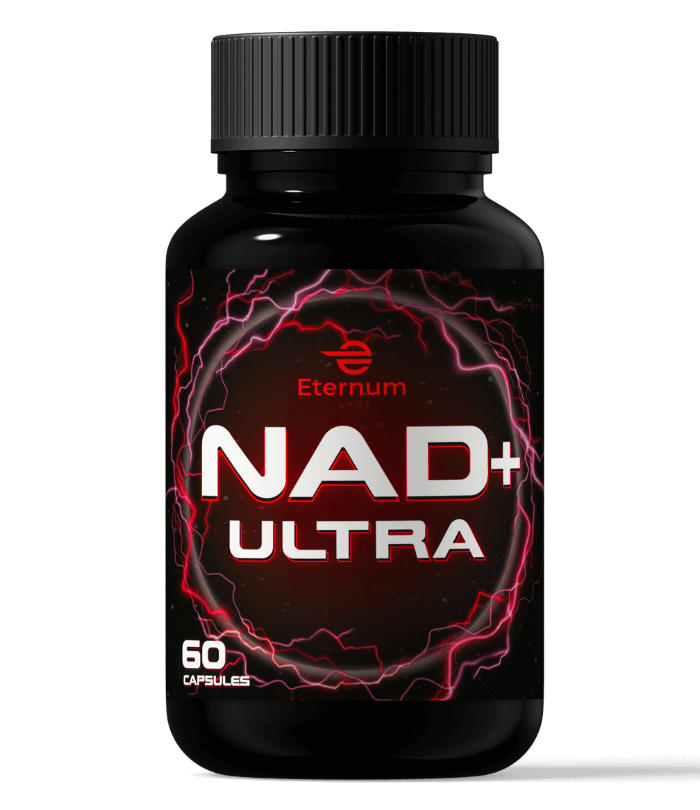
What it is: A 10-in-1 NAD+ boosting formula designed to raise NAD+ pools and support PARP and sirtuin function for cellular repair.
| Key ingredients | Why it helps DNA repair |
|---|---|
| Nicotinamide Riboside | Boosts NAD+ to fuel PARP and sirtuin activity |
| Resveratrol, Fisetin, Quercetin | Polyphenols that support sirtuin pathways and reduce oxidative stress |
| CA-AKG, Spermidine | Supports cellular metabolism and autophagy for damage clearance |
Tip: NAD+ Ultra can be used alongside lifestyle measures like exercise and sleep to maximise DNA repair benefits. Consult your clinician if you have cancer history or take PARP inhibitors.
Safety and Dosing of NAD+ Boosters for Genomic Protection
NR and NMN are generally well tolerated in short term human trials. Typical study dosing ranges from 250 mg to 1,000 mg per day, depending on the compound and trial design. Start low and adjust based on response and clinician advice.
- Start conservatively: consider beginning at a lower dose (for example 250 to 500 mg) and monitor energy, sleep and digestion.
- Consultation is important: if you have active cancer, are on chemotherapy or PARP inhibitors, or have complex medical conditions, talk to your clinician before supplementing.
- Combine with lifestyle: exercise, good sleep and an anti-inflammatory diet amplify benefits and reduce the need for high doses.
Final takeaway: NAD+ precursors like NR and NMN can support PARP enzymes and sirtuins to improve DNA repair, but they work best as part of a broader lifestyle approach and under clinical guidance when there are health risks.
Conclusion
NAD+ and DNA repair are tightly connected. Adequate NAD+ fuels PARP enzymes and sirtuins, supports chromatin control, and provides the metabolic backing needed for accurate repair. As NAD+ levels fall with age, repair efficiency drops and DNA damage accumulates. The good news is that lifestyle measures and validated NAD+ precursors can restore NAD+ pools, boost repair pathways, and improve cellular resilience.
Key Takeaways on NAD+ and DNA Repair
- NAD+ is a substrate and signal: it powers ADP-ribosylation by PARP and deacetylation by sirtuins, both essential for repair.
- NAD+ decline raises risk: ageing and chronic inflammation lead to lower NAD+ and more persistent DNA damage.
- Precursors help repair: NR and NMN restore NAD+ in preclinical models, improving PARP and sirtuin function and lowering DNA damage markers.
- Balance matters: support NAD+ pools rather than hyperactivating one pathway, and combine supplements with exercise, sleep and a nutrient-rich diet.
Tip: If you consider NAD+ precursors, choose reputable formulations and discuss them with your clinician when there are cancer risks or complex health conditions.
Next Steps: How to Decide Whether to Try NAD+ Boosters
Deciding to try NR or NMN starts with a simple plan:
- Assess goals: Are you aiming to support healthy ageing, improve recovery, or reduce markers of cellular stress? Clarify what you want to achieve.
- Review risks: If you have active cancer, are on chemotherapy, or use PARP inhibitors, consult your clinician first.
- Start conservatively: begin with a moderate dose, monitor how you feel, and combine with exercise, good sleep and an anti-inflammatory diet to amplify benefits.
- Choose quality products: look for validated NR or NMN sources, third party testing, and clear labelling. For a place to start, see NAD+ supplement options at NAD+ supplements.
Final call to action: Protecting your genome starts with supporting NAD+ biology, lifestyle choices that reduce chronic NAD+ drain, and informed use of precursors when appropriate. If you want help choosing a strategy tailored to your needs, speak with a healthcare professional and consider reputable NAD+ supplements as part of a combined approach to genomic stability and healthy ageing.