Foods, Sleep, and Exercise to Supercharge NMN Results

This guide lays out a practical NMN diet plan that pairs targeted foods, sleep habits, and exercise routines to help you get the most from NMN supplementation. Read on for clear, evidence-informed tips on what to eat, how to sleep, and which workouts best complement NMN for NAD+ support and mitochondrial health.
Table of Contents
- Introduction
- Why Foods, Sleep, and Exercise Matter for NMN and NAD+
- Best Foods to Pair with NMN for NAD+ Support
- Sleep Habits That Enhance NMN Effectiveness
- Exercise Routines That Boost NMN Results and Mitochondrial Health
- Timing and Dosing Strategies for NMN with Meals and Workouts
- Interactions, Weight Management, and Dietary Strategies to Optimize NMN
- Putting Foods, Sleep, and Exercise Together to Maximise NMN Benefits
- Conclusion
Introduction
NMN, or nicotinamide mononucleotide, is a precursor to NAD+, a coenzyme central to cellular energy, DNA repair, and longevity pathways. Taking NMN can help raise NAD+ levels, but lifestyle choices shape how effectively your body uses that boost.
What NMN does and why lifestyle matters
NMN increases the pool of NAD+ available to cells, supporting mitochondrial function, sirtuin activity, and cellular repair. However, factors such as nutrient status, sleep quality, and physical activity influence NAD+ turnover and mitochondrial responsiveness.
Put simply, NMN provides raw material; lifestyle factors determine how much of that material becomes usable energy and longevity signalling. That is why an NMN diet plan that includes food, sleep and exercise changes can magnify results.
Overview of NMN diet plan goals for NAD+ support
The main goals of an NMN diet plan are: support NAD+ biosynthesis, limit NAD+ depletion, and enhance mitochondrial biogenesis. Practically this means eating precursors and cofactors, adopting sleep habits that promote cellular repair, and using exercise to stimulate mitochondria.
Concrete aims include increasing intake of vitamin B3 forms and polyphenols, ensuring good sleep efficiency, and using both aerobic and resistance training to encourage mitochondrial adaptation.
How foods, sleep, and exercise interact with NMN
Foods supply coenzyme precursors and antioxidants, sleep gives time for DNA repair and NAD+ regeneration, and exercise activates pathways that use NAD+ and stimulate new mitochondria. Together these elements create a positive feedback loop that helps NMN translate into real cellular benefits.
For example, exercising in a fasted state may increase NAD+ turnover and mitochondrial signalling, while foods rich in B vitamins and polyphenols support enzymatic steps that convert NMN into NAD+. Sleep then consolidates those gains by aiding repair and reducing chronic inflammation.
Why Foods, Sleep, and Exercise Matter for NMN and NAD+
NMN supplementation raises the raw materials for NAD+ production, but diet, sleep and physical activity determine how effectively cells convert and use that NAD+. Foods provide cofactors and polyphenols that support NAD+ biosynthesis, sleep enables cellular repair and NAD+ replenishment, and exercise drives mitochondrial demand and biogenesis. Together they shape the net benefit of an NMN diet plan.
Mechanisms: how diet, sleep, and activity influence NAD+ metabolism
Diet supplies precursors such as vitamin B3 forms and polyphenols that aid enzymes in the NAD+ salvage and de novo pathways. Sleep activates restorative processes, including DNA repair and autophagy, which consume and then replenish NAD+ pools. Exercise increases NAD+ turnover in muscle, which triggers mitochondrial biogenesis and higher resting metabolic capacity.
Evidence linking lifestyle habits to NMN effectiveness
Animal and human studies show NAD+ levels respond to nutritional state, sleep disruption, and activity. Short-term fasting and exercise boost NAD+ related signalling, while chronic sleep loss and poor diet lower NAD+ and blunt sirtuin activity. Clinical reports also suggest co-supplementation with polyphenols or B vitamins enhances NAD+ increases from NMN or NR.
Prioritising changes: quick wins versus long-term habits
Not all changes are equal. Quick wins include improving nightly sleep routine, adding foods rich in B3 precursors and polyphenols, and introducing 2-3 weekly resistance sessions. Longer term habits include consistent sleep timing, progressive exercise programming, and sustained dietary patterns like Mediterranean-style eating or intermittent fasting if appropriate.
- Quick win: Take NMN with a polyphenol-rich meal, for example berries and nuts, to support conversion.
- Short-term habit: Add 20-30 minutes of brisk walking or cycling most days to stimulate mitochondrial signalling.
- Long-term habit: Consistent 7-9 hour sleep schedule and twice-weekly resistance training to maintain NAD+ benefits.
Best Foods to Pair with NMN for NAD+ Support
Choosing the right foods helps convert NMN into usable NAD+ and provides cofactors that support energy and repair pathways. Focus on vitamin B3 sources, polyphenol-rich foods, and nutrient-dense whole foods that limit inflammation and oxidative stress.
Foods rich in precursors that support NMN and NAD+ production
Vitamin B3 forms such as niacin and nicotinamide are direct players in NAD+ metabolism. Include foods like poultry, tuna, mushrooms, and green peas for natural B3. Tryptophan-containing foods such as eggs and turkey also feed NAD+ synthesis via the kynurenine pathway.
Polyphenol-rich foods like berries, dark chocolate, grapes and green tea support sirtuin activation and may synergise with NMN. Organ meats and dairy provide additional B vitamins and cofactors that help enzymes in the salvage pathway.
What to eat when taking NMN to increase NAD+ levels
Pair NMN with a balanced meal that supplies B vitamins, magnesium and antioxidants. For example, a breakfast bowl with eggs, sautéed mushrooms, spinach, berries and a handful of nuts gives precursors and polyphenols without a sugar spike.
Practical examples:
- Breakfast: Omelette with mushrooms, spinach and avocado, plus mixed berries.
- Lunch: Grilled salmon, quinoa, broccoli and a side salad with walnuts.
- Snack: Greek yoghurt with blueberries and a sprinkle of cinnamon.
Should I take NMN with food or on an empty stomach: food pairing tips
Taking NMN with food can improve tolerance and supply necessary cofactors for conversion. A small protein-containing meal or snack is ideal, especially one with B vitamins and polyphenols.
If you practise intermittent fasting and take NMN in the fasted window, choose a light, nutrient-rich meal soon after your dose to provide cofactors. Avoid high sugar meals that promote inflammation and NAD+ depletion.
| Category | Top Choices | Why it helps NMN |
|---|---|---|
| Vitamin B3 and B complex | Chicken, tuna, mushrooms, eggs | Supplies niacin, nicotinamide and cofactors for NAD+ salvage enzymes |
| Polyphenols | Berries, green tea, dark chocolate, grapes | Activates sirtuins and reduces oxidative stress, synergising with NAD+ signalling |
| Magnesium and minerals | Leafy greens, nuts, seeds, legumes | Supports ATP production and enzyme function in mitochondrial pathways |
| Protein and tryptophan | Eggs, turkey, dairy, legumes | Feeds de novo NAD+ synthesis when needed via tryptophan metabolism |
| Anti-inflammatory fats | Olive oil, fatty fish, avocado | Supports membrane health and reduces NAD+ loss from chronic inflammation |
Sleep Habits That Enhance NMN Effectiveness
Good sleep amplifies the benefits of an NMN diet plan by supporting NAD+ recycling, DNA repair and metabolic recovery. Prioritising sleep helps convert NMN-driven NAD+ increases into tangible cellular repair and mitochondrial resilience. Small changes to evening routine and sleep timing often deliver outsized benefits.
Best evening routine and sleep schedule to maximise NMN benefits
Keep a consistent sleep window, aiming for 7 to 9 hours most nights; regular timing supports circadian NAD+ rhythms. Wind down 60 to 90 minutes before bed with low-light activities, such as reading or gentle stretching. Avoid late heavy meals, high sugar snacks, and intense exercise close to bedtime, as these can disrupt restorative sleep and NAD+ replenishment.
- Evening ritual: dim lights, no screens, herbal tea (eg chamomile) or a magnesium-containing snack.
- Timing: finish large meals 2 to 3 hours before bed; aim for a fixed lights-out time.
- Environment: cool, dark, quiet bedroom to support deep sleep stages important for repair.
Sleep stages, circadian timing, and NAD+ recycling
Deep sleep and slow wave activity are key for cellular repair processes that consume and then replenish NAD+. Circadian clocks regulate enzymes in NAD+ metabolism, so misaligned sleep can blunt NMN effectiveness. Napping is fine short-term, but avoid long daytime sleeps that shift circadian timing and reduce night-time deep sleep.
Practical tips to improve sleep quality while taking NMN
Combine NMN supplementation with sleep-supportive habits for best results. Consider taking NMN earlier in the day if you notice subtle sleep changes, as boosting daytime NAD+ can influence circadian signals. Use relaxation practices, limit caffeine after midday, reduce alcohol in the evening, and maintain regular exercise earlier in the day rather than late at night.
- If fasting: try taking NMN toward the end of the fasting window, then break fast with a nutrient-rich meal to supply cofactors.
- Supplement pairing: magnesium forms and apigenin may support sleep quality alongside NMN, consult a clinician if combining supplements.
- Monitor: track sleep duration and quality for a few weeks to see how changes affect energy and NMN outcomes.
Exercise Routines That Boost NMN Results and Mitochondrial Health
Exercise is one of the strongest lifestyle levers to convert NMN-driven increases in NAD+ into real mitochondrial and fitness gains. Targeted training increases NAD+ turnover, activates sirtuins and PGC-1alpha, and stimulates mitochondrial biogenesis. The right mix of morning sessions, aerobic conditioning and resistance work helps translate an NMN diet plan into measurable performance and recovery improvements.
Morning exercise routines that complement NMN supplementation
Morning workouts can synergise with NMN by taking advantage of natural circadian rises in NAD+ and metabolic flexibility. Aim for 20 to 40 minutes of moderate-intensity cardio or a short high-intensity interval training session 30 to 90 minutes after a morning NMN dose if taken with a light protein snack.
Practical routine: 10 minute dynamic warm-up, 20 minutes of brisk cycling or brisk walking, 5 to 10 minutes of mobility and breathwork. This boosts mitochondrial signalling without excessive muscle damage, making it ideal on most days.
Resistance versus aerobic training for mitochondrial biogenesis
Both resistance and aerobic training support mitochondrial health, but they act slightly differently. Aerobic training increases mitochondrial density and oxidative enzymes in muscle, while resistance training enhances muscle mass, capillary density and metabolic capacity. Combine both for complementary benefits when following an NMN diet plan.
- Aerobic: 30 to 60 minutes moderate cardio, 3 times weekly, improves endurance and mitochondrial enzymes.
- Resistance: 2 to 3 full-body sessions weekly, 6 to 12 reps per set, supports muscle NAD+ demand and resilience.
- Hybrid: include one interval session weekly to maximise signalling for biogenesis.
Ideal NMN dosing schedule around workouts and sleep
Timing NMN to align with workouts and sleep can improve outcomes. Taking NMN in the morning or before daytime training supports daytime energy and exercise-induced NAD+ turnover. If you train late, consider an earlier NMN dose and a light post-workout meal with B vitamins and polyphenols to support recovery.
Guidelines: take NMN with a small protein-containing snack before morning workouts; after resistance sessions, have a meal with lean protein, leafy greens and berries. Avoid large late-night doses that might subtly shift circadian signals; if sleep changes occur, move the dose earlier in the day.
| Workout Type | Session Example | Why it helps NMN |
|---|---|---|
| Morning moderate cardio | 25 minutes brisk walk or cycle after a light protein snack | Increases NAD+ turnover and mitochondrial signalling with low muscle damage |
| Resistance training | 3 sets x 8-12 reps full-body, twice weekly | Boosts muscle NAD+ demand, supports strength and metabolic capacity |
| HIIT / Intervals | 6 x 1 minute hard effort with 2 minute recovery, once weekly | Powerful stimulus for PGC-1alpha activation and mitochondrial biogenesis |
| Recovery session | 30 minutes yoga, mobility or easy swim | Supports repair, reduces inflammation and aids NAD+ replenishment |
Timing and Dosing Strategies for NMN with Meals and Workouts
Timing matters when you want an NMN diet plan to deliver reliable energy and NAD+ support. Small adjustments to when you take NMN, what you eat around the dose, and how you schedule workouts can increase NAD+ turnover, support mitochondrial signalling, and protect sleep. Below are practical options to match NMN timing to your routine and goals.
Should I take NMN with food or on an empty stomach: timing pros and cons
Taking NMN with a light protein-containing meal or snack gives cofactors like B vitamins and magnesium that support NAD+ conversion. It also reduces any gastrointestinal sensitivity some people report.
Taking NMN fasted can amplify metabolic signalling and mimic some benefits of fasting, because NAD+ related pathways respond to nutrient scarcity. However, fasted dosing may be less comfortable for those with low blood sugar or caffeine-like sensitivity.
- With food – Pros: better tolerability, cofactors for NAD+ enzymes, useful if you take other supplements.
- With food – Cons: large sugary meals may blunt benefits by raising inflammation.
- Fasted – Pros: may enhance NAD+ signalling and synergise with morning exercise or time-restricted eating.
- Fasted – Cons: not ideal if you need immediate energy or have hypoglycaemia.
Ideal NMN dosing schedule around workouts and sleep
Match dosing to your active window and sleep goals. For most people, a morning dose supports daytime energy and pairs well with morning exercise. If you train in the morning, take NMN 30 to 90 minutes before a workout with a small protein snack.
If you prefer evening training, move the main NMN dose earlier in the day to avoid shifting circadian signals that regulate NAD+ metabolism. Split dosing is an option – a smaller morning dose for energy and a lunchtime dose for recovery support.
- Morning workouts: NMN + small protein snack 30-60 minutes pre-workout.
- Afternoon resistance: midday NMN with a balanced meal containing B vitamins and polyphenols.
- Evening exercisers: take NMN earlier in the day; post-workout meal should include protein and berries to aid recovery.
NMN Ultra 500mg
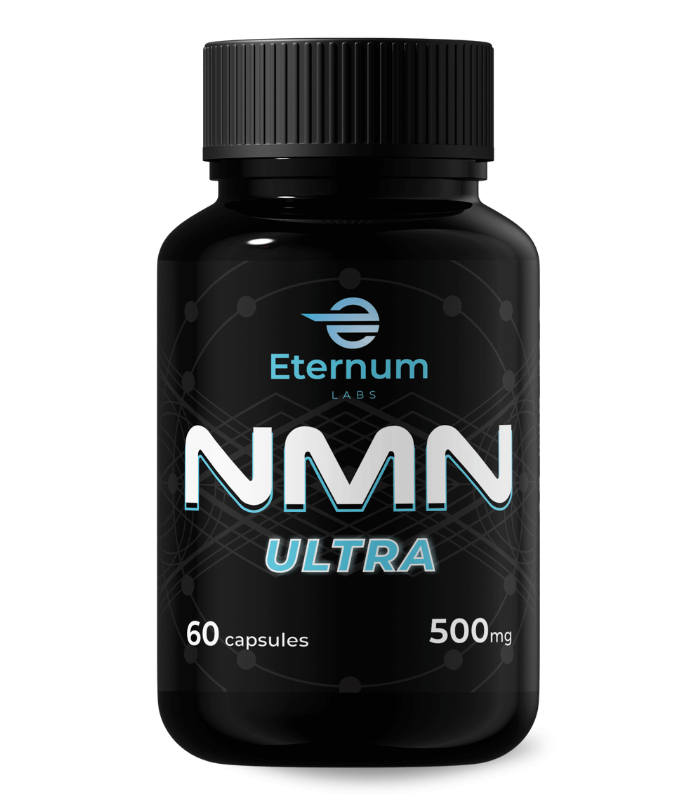
Contains 500mg pure NMN per capsule, with 60 capsules per bottle.
Why pick it: high-dose NMN to support NAD+ levels, cellular energy, and morning supplementation routines.
Tip: take in the morning, especially if using NMN around training, productivity, or daily energy goals.
Combining NMN with intermittent fasting for better results
Combining NMN with time-restricted eating can amplify metabolic signalling and NAD+ related pathways. Taking NMN near the end of the fasted window or right before your first meal may boost the fasting signal while ensuring cofactors arrive soon after the dose.
Practical approaches: if you follow a 16:8 fast, take NMN 15 to 30 minutes before breaking fast, then break fast with protein, leafy greens and berries. If you workout fasted, take NMN before training and have a nutrient-rich meal afterwards to support recovery.
- 16:8 example: NMN at 11:45am, break fast at noon with egg bowl and berries.
- Fast + morning training: NMN 30 minutes pre-workout, post-workout meal with quinoa, salmon and greens.
- Monitoring: track energy, sleep and recovery for 2-4 weeks and adjust timing if you notice sleep disruption.
Interactions, Weight Management, and Dietary Strategies to Optimize NMN
How you eat and what you drink influence NMN effectiveness. Alcohol, excess sugar and late caffeine can reduce NAD+ availability and blunt the benefits of an NMN diet plan. Thoughtful supplement stacking and weight management strategies can magnify NMN-driven improvements in energy, recovery and cellular repair.
How alcohol, caffeine, and sugar affect NMN effectiveness
Alcohol: regular heavy drinking accelerates NAD+ consumption during ethanol metabolism, which can counteract NMN supplementation. Occasional moderate drinking is less problematic, but avoid late-night alcohol that disrupts sleep and NAD+ rhythms.
Caffeine: moderate daytime caffeine supports performance, but high late-afternoon intake can impair sleep and circadian regulation of NAD+ enzymes. Prefer morning or early afternoon caffeine if you are taking NMN for daytime energy.
Sugar: frequent high sugar intake increases inflammation and glycation, both of which drive NAD+ depletion. Swap refined carbs for wholefood carbohydrates, berries and fibre to support NAD+ homeostasis.
Supplement stack with NMN: vitamin B3, resveratrol, and exercise
Some supplements synergise with NMN by supplying cofactors or activating the same longevity pathways. Vitamin B3 forms, including nicotinamide or NR, support NAD+ metabolism; resveratrol and pterostilbene activate sirtuins; magnesium and polyphenols aid mitochondrial enzymes.
Pair NMN with exercise to create a strong stimulus for mitochondrial biogenesis. If you choose a supplement stack, start low and monitor tolerance, sleep and energy. For practical guidance on timing and combinations, see how to take NMN.
- Stack example: NMN in the morning, small dose of resveratrol with a polyphenol-rich meal, magnesium in the evening for sleep support.
- Safety note: consult a clinician before combining high-dose B3 or multiple longevity supplements.
Pros
- ✔ Improves NAD+ support when NMN is taken with B vitamins and polyphenols
- ✔ Exercise plus NMN amplifies mitochondrial growth and metabolic fitness
- ✔ Weight loss and reduced sugar intake lower chronic NAD+ drain and inflammation
Cons
- ✖ Alcohol and high sugar can negate part of NMN benefits by increasing NAD+ turnover
- ✖ Poorly timed caffeine or late NMN dosing may disrupt sleep and circadian NAD+ cycles
- ✖ Combining multiple supplements without guidance may cause interactions or side effects
Dietary strategies for weight management that support NAD+
Weight loss and improved metabolic health reduce chronic inflammation and lower NAD+ consumption. Strategies that work well with an NMN diet plan include time-restricted eating, a Mediterranean-style diet, and higher-protein meals to preserve lean mass during calorie deficits.
Practical examples: use a 12 to 16 hour eating window that fits your routine, prioritise wholefoods, vegetables, healthy fats and lean proteins, and limit ultra-processed foods. Combine this with resistance training to protect muscle and sustain resting metabolic rate.
- Example plan: 16:8 fasting, NMN before breaking fast, break with eggs, spinach and berries, balanced meals through the eating window, resistance training twice weekly.
- Monitor: track body composition, sleep and energy rather than weight alone to ensure you are preserving lean mass while improving metabolic health.
Putting Foods, Sleep, and Exercise Together to Maximise NMN Benefits
Creating an NMN diet plan that actually moves the needle means coordinating meals, sleep and training so each element supports NAD+ production and mitochondrial adaptation. Below are practical frameworks to help you align timing, nutrient choice and daily habits for consistent, compounding benefits.
Designing a daily NMN diet plan that aligns meals, sleep, and training
Start with a consistent wake and sleep window, then place your main NMN dose during your active window to support daytime energy and workouts. Build meals around protein, vitamin B3 sources, polyphenols and magnesium to supply cofactors. Schedule resistance or interval sessions in the morning or early afternoon to use NMN-driven NAD+ increases for recovery and mitochondrial signalling.
- Morning routine: NMN with a small protein snack, light mobility and 20-30 minutes cardio or strength.
- Main meals: include mushrooms, fish or poultry for B3, plus berries and greens for polyphenols and magnesium.
- Evening: finish intense training at least 2-3 hours before bed, use magnesium and low-stimulus wind-down to protect sleep.
Long-term lifestyle plan to sustain NMN-driven cellular benefits
Think in months, not days. Combine consistent sleep timing, twice-weekly resistance training, and daily moderate activity with a Mediterranean-style diet to reduce inflammation and preserve NAD+ pools. Periodise your exercise and nutrition, cycling harder training phases with recovery weeks to avoid chronic NAD+ depletion.
- Weekly targets: 150 minutes moderate aerobic exercise, 2 resistance sessions, 1 HIIT session, daily movement goals.
- Diet pattern: wholefoods, time-restricted eating if suitable, minimise ultra-processed foods and added sugars.
- Monitor: sleep quality, recovery, mood and body composition to adjust NMN timing and dose.
Sample day: meal, sleep, and workout timing to optimise NAD+
Use this sample as a template to design your own NMN diet plan, then tweak for personal tolerance and schedule.
Step-by-step breakdown
- 06:30 Wake: Light exposure, hydration, quick mobility.
- 07:00 NMN + snack: 500mg NMN with Greek yoghurt or an egg and a handful of berries (provides B3, protein and polyphenols).
- 07:30 Workout: 20-30 minutes moderate cardio or 30 minutes resistance, finish with mobility and protein-rich recovery snack.
- 09:00 Breakfast: Omelette with mushrooms, spinach and avocado, cup of green tea.
- 12:30 Lunch: Grilled salmon, quinoa, broccoli, olive oil dressing, small dark chocolate square for polyphenols.
- 16:00 Optional NMN small dose: If splitting dose, 250mg with a salad or nut snack; otherwise skip to avoid late circadian effects.
- 18:00 Dinner: Turkey or legumes, mixed vegetables, a berry dessert or tea with lemon balm.
- 20:00 Wind-down: Dim lights, reduce screens, magnesium or herbal tea, aim for lights-out by 22:00.
Tip: For product options and NMN dosing choices, see NMN supplements.
Putting these pieces together creates a reinforcing loop: food supplies cofactors, exercise drives NAD+ use and mitochondrial growth, sleep repairs and resets NAD+ pools. Follow a simple, consistent plan and adjust based on sleep, training response and daily energy.
Conclusion
This NMN diet plan shows how food, sleep and exercise work together to amplify the benefits of NMN supplementation. NMN provides the building blocks for NAD+; the right meals supply cofactors and polyphenols, quality sleep supports NAD+ recycling and repair, and targeted exercise creates the demand that drives mitochondrial adaptation. Small, consistent changes deliver bigger, compounding gains than any single intervention alone.
Key takeaways for supercharging NMN results with lifestyle
- Food matters: prioritise vitamin B3 sources, protein and polyphenol-rich foods like berries, mushrooms and fatty fish to feed NAD+ pathways and reduce inflammation.
- Sleep matters: stick to a regular 7 to 9 hour sleep window, protect deep sleep with a calm evening routine, and avoid late caffeine or alcohol that can disrupt NAD+ rhythms.
- Exercise matters: combine aerobic, resistance and one interval session weekly to stimulate NAD+ turnover and mitochondrial biogenesis; morning training often pairs best with NMN dosing for daytime energy.
- Timing and dosing: take NMN with a light protein snack or breakfast for cofactors and tolerance; fasted dosing is an option if you use time-restricted eating, but monitor sleep and energy.
- Interactions and weight management: limit excess sugar and alcohol, consider B vitamin and polyphenol support, and use sustainable dietary patterns and resistance training to protect lean mass while improving metabolic health.
Next steps: tracking progress and adjusting your NMN diet plan
Start simple: add one traffic-light change first, for example NMN with a berry-protein snack each morning, or set a fixed lights-out time.
Monitor outcomes: track sleep quality, daily energy, workout recovery and body composition for 2 to 8 weeks. Use a journal or an app to spot trends and decide if timing, dose or pairing need tweaking.
Adjust progressively: if sleep worsens, move NMN earlier or split the dose; if workouts feel flat, ensure you have a pre-workout protein snack and avoid large late meals. Periodise training with recovery weeks to avoid chronic NAD+ depletion.
Build Your NMN-Friendly Routine
Action: NMN + Greek yoghurt and berries, 20 minute brisk walk.
Why: supplies cofactors, polyphenols, and exercise-driven NAD+ signalling.
Action: Wind down 90 minutes before bed, magnesium or herbal tea, consistent lights-out.
Why: preserves deep sleep and NAD+ recycling for repair and recovery.
Action: 2 resistance sessions plus 1 HIIT and 3 moderate cardio sessions weekly.
Why: balanced stimulus for mitochondrial biogenesis and sustained NAD+ demand.
Quick tip: try the Morning Starter for two weeks, then add Sleep Protect. Track changes and tweak NMN timing as needed.
When to consult a clinician about NMN and lifestyle changes
Talk to a healthcare professional if you are pregnant or breastfeeding, have chronic health conditions, take medications, or plan to combine NMN with high-dose B3, resveratrol or other prescription drugs. Seek advice if you notice persistent sleep disruption, unusual side effects, or dramatic changes in blood sugar or blood pressure after changing diet, exercise or supplement routines.
Clinicians can help tailor NMN dosing, check for interactions, and create a safe, effective plan that aligns with your medical history and goals.
Ready to Put This NMN Diet Plan Into Practice?
Start with one change today, track your response, and build a routine that stacks meals, sleep and exercise to support long-term NAD+ health and vitality.